
Chemical Purity & Particle Calibration
Access certified laboratory standards, mesh-to-micron conversion charts, and processing comparative analyses for global industrial mineral procurement.
0.02%
Fe2O3 Variance
200-325
Mesh Calibration
Core Mineral Reference Guides
Analyze our comprehensive technical indices compiled for industrial glaze chemists and procurement officers requiring absolute batch-to-batch consistency.
Mesh to Micron Charts
Lab Color Values
Glaze Defect Diagnostics
Detailed calibration tables mapping particle size distribution across standard 200 mesh and 325 mesh industrial processing specifications.
Spectrophotometer data and Hunter Lab color coordinates calibrated for high-purity ceramic clay mixtures and glaze formulations.
Technical troubleshooting manuals addressing common ceramic glaze defects, pinholes, and thermal expansion mismatches in production environments.
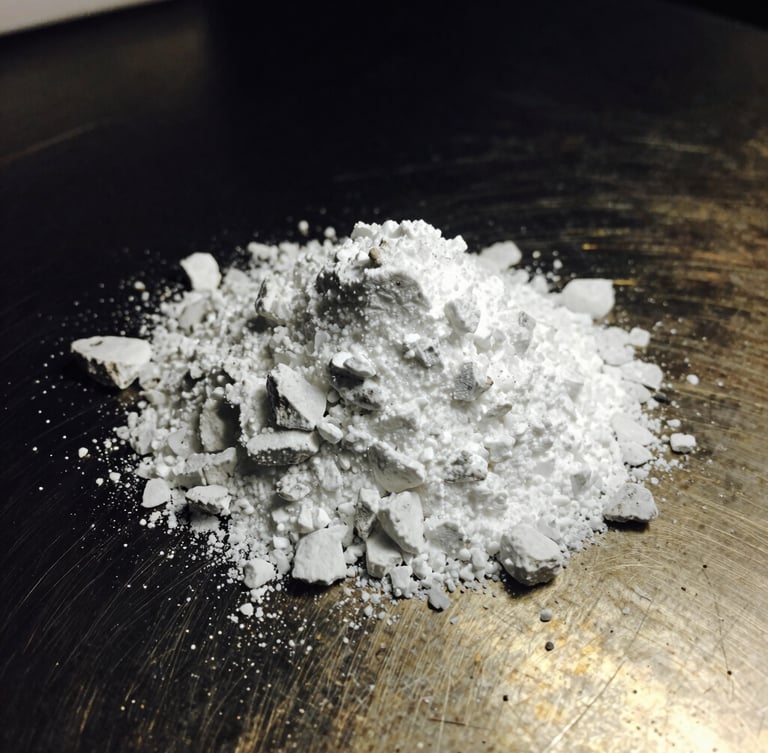
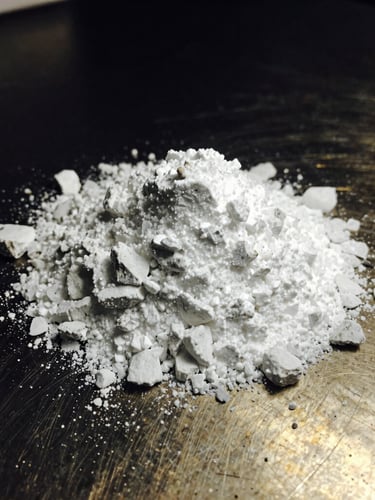
Milling and Processing Standards
Our processing plants employ both dry magnetic separation and wet flotation techniques to achieve optimal chemical purity. We control the Fe2O3 thresholds down to 0.02% for ultra-clear glass formulations.
For ceramic glaze applications, wet-processed feldspar offers superior suspension properties, whereas dry-milled powders deliver the high-density packing required for high-tension electrical porcelain.
Calibrate Your Batch Specifications
Consult with our mineral chemists to define your exact micron requirements and secure certified mine-to-port logistics.